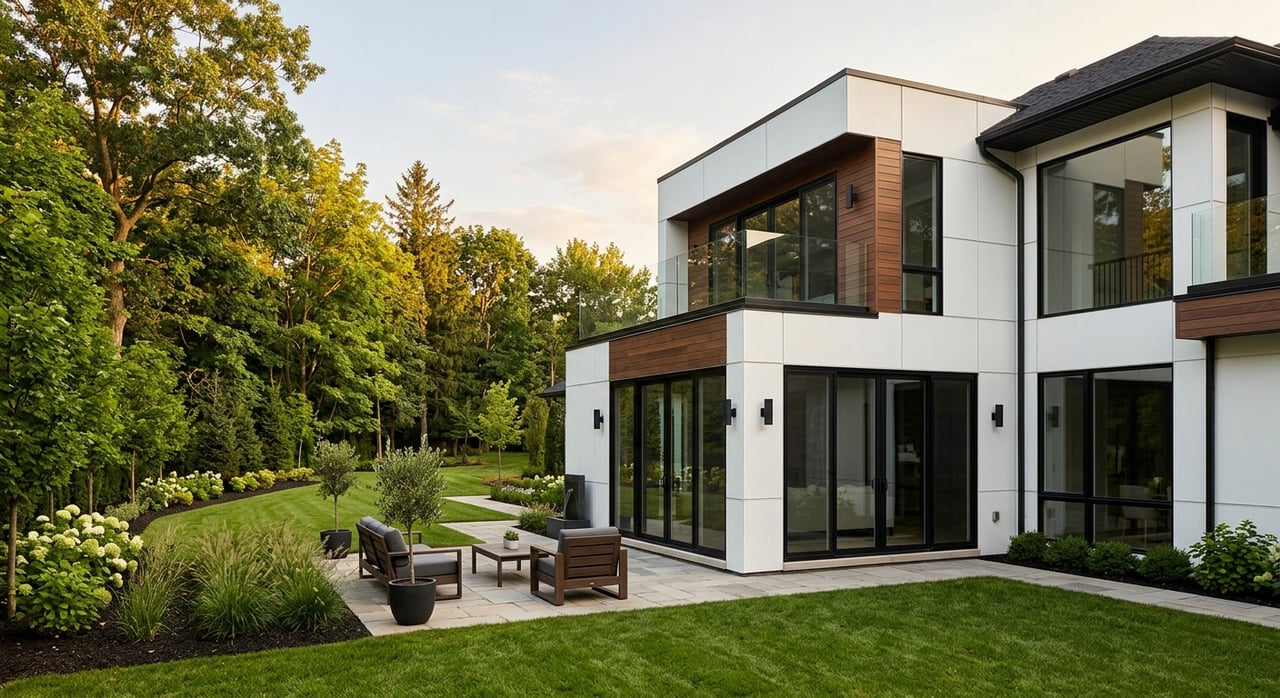
New Construction And Lot Options In Rapid Valley
Thinking about building in Rapid Valley? You are not alone. This fast-growing area east of Rapid City gives you a mix of new homes, buildable lots, and larger tracts, but your best option depends on more than the sticker price. If you want to understand what kinds of new construction and lot choices exist in Rapid Valley, what can affect your budget, and what to verify before you buy, this guide will help you sort through it. Let’s dive in.
Rapid Valley offers a suburban setting with convenient access to Rapid City. The Rapid Valley Sanitary District describes the area as fast-growing and about ten miles from Rapid City, and it estimates the population at more than 10,000.
That growth matters if you are comparing neighborhoods, future resale potential, and the kind of services a property may have. Part of Rapid Valley is inside Rapid City limits, while other areas feel more like suburban fringe or semi-rural land. That can shape everything from utility access to site-prep costs.
Housing data also gives useful context. Census Reporter’s ACS 2024 5-year profile shows 3,192 housing units, a median owner-occupied home value of $255,500, and a mean travel time to work of 19.8 minutes.
One of the biggest advantages in Rapid Valley is variety. Recent new-construction inventory in the area included homes as small as about 688 square feet and as large as about 2,200 square feet, with layouts ranging from 2-bedroom homes to 5-bedroom plans.
That means you may find options that fit very different goals, including a smaller starter home, a mid-size move-up property, or a larger home with more finished space. Recent asking prices in that sample ranged from about $189,900 to $424,900, which shows just how wide the range can be.
If you are comparing new builds, it helps to think in categories:
The right fit often comes down to how much of your budget you want tied to the house itself versus the lot, utility setup, and site work.
Rapid Valley buyers may have more than one path to ownership. Pennington County zoning allows manufactured homes, modular homes, and site-built homes in certain residential districts when they meet county standards for materials, siding, roof pitch, foundation, and utility connection.
If a home does not meet those standards, a conditional use permit may be required. For you as a buyer, that means it is smart to confirm early whether the home type you want matches the zoning and development rules for the specific parcel.
This can be especially important if you are trying to keep costs down with a manufactured or modular option. A lower home price can still come with added land-development costs if the site needs more work.
Rapid Valley is not just one kind of land market. Recent lot and land inventory included smaller subdivision-style lots as well as multi-acre tracts, which gives buyers flexibility depending on whether you want convenience, elbow room, or future use potential.
Recent sample pricing included:
That spread shows why two properties in the same general area can have very different total costs. A lower-priced lot may still need expensive utility work, while a higher-priced parcel may already offer better access or a more build-ready setup.
In Pennington County’s Suburban Residential District, minimum lot size depends heavily on utility service. This is one of the most important details to understand when you are shopping for land.
If a parcel has both central water and central sanitary sewer, it can be as small as 6,500 square feet. If it has central water with a private septic system, or central water with a private well, the minimum lot size increases to 20,000 square feet.
That difference matters because it can affect what you can build, where you can build it, and whether a parcel works for your goals at all. The district also requires street access or an approved private drive or easement.
A listing may describe a parcel as level or buildable, but that is only part of the story. Pennington County’s residential building-permit checklist highlights several due-diligence items buyers should verify before assuming a lot is ready to go.
Key items to confirm include:
This is where good planning can save you real money. A lot that looks like a bargain up front can become much more expensive if you later discover access issues, permitting hurdles, or utility limitations.
If you are looking at raw land or any lot that will use onsite wastewater, septic planning is a major part of the process. Pennington County requires a detailed OSWTS construction permit application, including system type, tank and absorption sizing, setbacks, site plan, floor plan, soil profile log, percolation test information, domestic water source, reserve area, and certified installer information.
The county states that no construction can begin until the OSWTS construction permit is approved. In plain terms, that means a septic lot is not something to treat as plug-and-play.
If the property already has an onsite wastewater system, there is another issue to check. Pennington County requires a new operating license before a sale or transfer, and again at building-permit submittal for a structure on that lot.
Access can be one of the most overlooked costs in a land purchase. If you need a new driveway off a county highway or other county road, Pennington County requires an Approach Permit.
The county lists a $250 application fee plus a $2,500 surety deposit, which is refunded after final inspection. If utility installation or excavation is needed within county right-of-way, that requires a separate utility-work permit.
You will also want to confirm road maintenance. Pennington County Highway maintains county roads in unincorporated communities such as Rapid Valley, including snow removal on county-maintained residential roads, but you should still verify who maintains the specific road serving the parcel you are considering.
For larger parcels or heavier site work, stormwater rules can become part of your budget sooner than expected. In Pennington County, any land-disturbing activity of 10,000 square feet or more requires a county construction permit.
That makes erosion control, stormwater management, and final stabilization important early planning items. If you are buying a larger tract or building on a more complex site, these costs can materially affect the total project price.
This is one reason buyers should compare lots based on total development cost, not just acreage or asking price. A smaller infill lot with utilities nearby may be more affordable overall than a larger parcel with more prep requirements.
Rapid Valley buyers often ask whether building makes more sense than buying an existing home. There is no one-size-fits-all answer, but local pricing gives a useful comparison point.
Redfin’s May 2026 market snapshot showed a median sale price of $319,809 in Rapid Valley. By comparison, the recent new-construction sample ranged from about $189,900 to $424,900.
That overlap tells you something important. In some cases, a new-construction home may compete well with resale pricing. In other cases, once you add lot costs, permits, driveway work, utility connections, stormwater compliance, and septic or sewer expenses, the total cost may rise faster than expected.
If you are deciding between a production build, a custom build, or a resale home, it helps to compare each option on the same checklist. That keeps emotion from driving the whole decision.
Focus on these questions:
Pennington County’s Development Guide also notes that the typical development path may include zoning review, platting if needed, stormwater permitting, environmental requirements, and a building permit or certificate of compliance. The county recommends a pre-development meeting with staff so applicants can understand which steps apply to a specific parcel.
Rapid Valley gives you real choices, which is a big advantage. You may be able to find a smaller new home, a larger move-up plan, a manufactured or modular option in the right setting, or a piece of land that lets you build with more flexibility.
The key is making sure the property fits your budget beyond the purchase price alone. Utility service, septic requirements, access, permits, and road questions can all shape the real cost and timeline.
If you want help comparing Rapid Valley lots, new builds, and resale homes side by side, working with a local agent who understands both the neighborhood context and the county process can make the path much clearer. When you are ready to talk through your options, connect with Cheyenne McGriff.
Get assistance in determining current property value, crafting a competitive offer, writing and negotiating a contract, and much more. Contact Cheyenne today to discuss all your real estate needs!