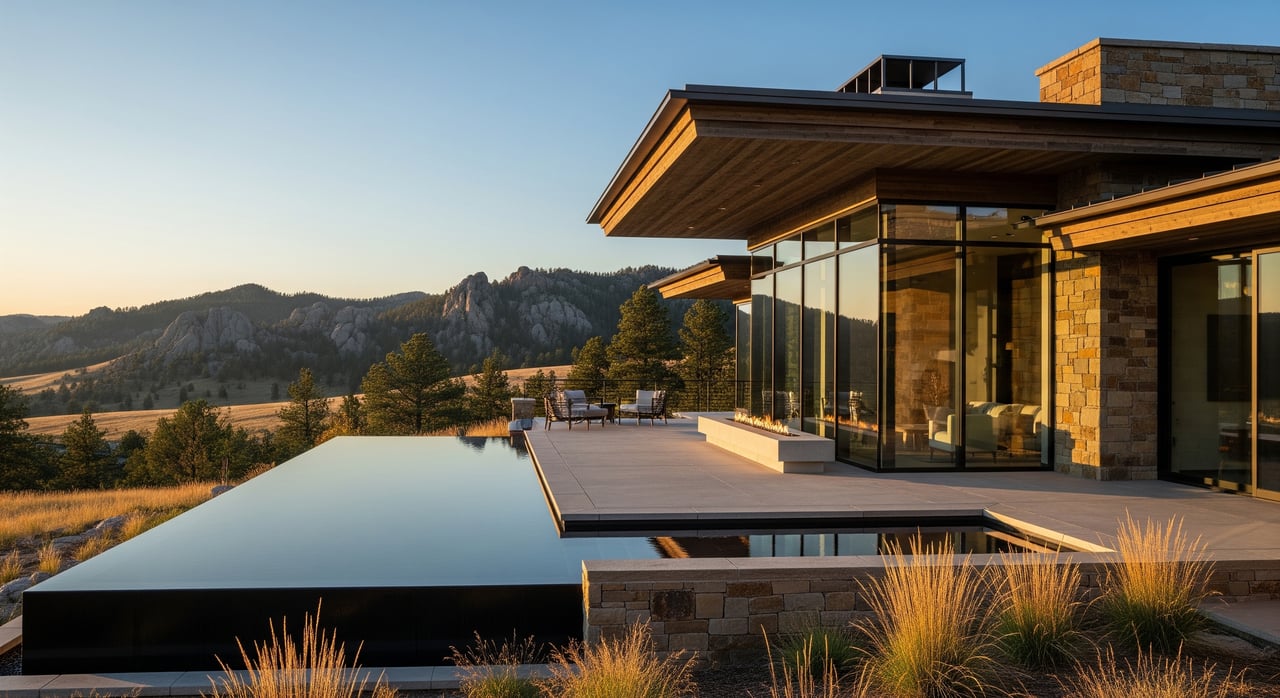
Living in Rapid City SD: Everyday Life Guide
Thinking about moving to Rapid City but not sure what daily life actually feels like? You want a place with real community, good access to essentials, and the Black Hills right in your backyard. In this guide, you’ll get a clear picture of neighborhoods, outdoor access, weather, schools and healthcare, jobs and costs, and how to decide if Rapid City fits your lifestyle. Let’s dive in.
Rapid City is the largest city in western South Dakota and serves as a regional hub for healthcare, education, commerce, and tourism. According to the 2020 U.S. Census, the city’s population was about 77,000. You’ll feel the small-city pace with big regional resources, thanks to the city’s role supporting surrounding rural communities and nearby reservations. For local projects, services, and civic information, the City of Rapid City website is helpful.
Rapid City offers a mix of historic streets near downtown and newer subdivisions on the edge of the Black Hills. Each area has a different rhythm, commute, and access to parks and trails. Plan to visit at different times of day and in different seasons to get the full picture.
You’ll find walkable pockets with restaurants, galleries, and museums. Ongoing revitalization brings regular events that keep evenings lively, especially in warmer months. Downtown living offers short drives to most essentials and quick access to Rapid Creek trails.
These established neighborhoods have mature trees and older homes, including bungalows and historic styles. The feel is more traditional residential with quick access to downtown. Streets vary in topography and lot sizes, so it pays to tour a few blocks.
Newer neighborhoods stretch toward the Black Hills foothills. You’ll see modern single-family homes, larger lots, and trail access nearby. Commutes are typically simple, with retail and services growing along major corridors.
Housing here includes more affordable options and mixed residential–commercial corridors. You’ll find a range of home ages and styles with practical access to I-90. Many residents choose this area for value and convenience.
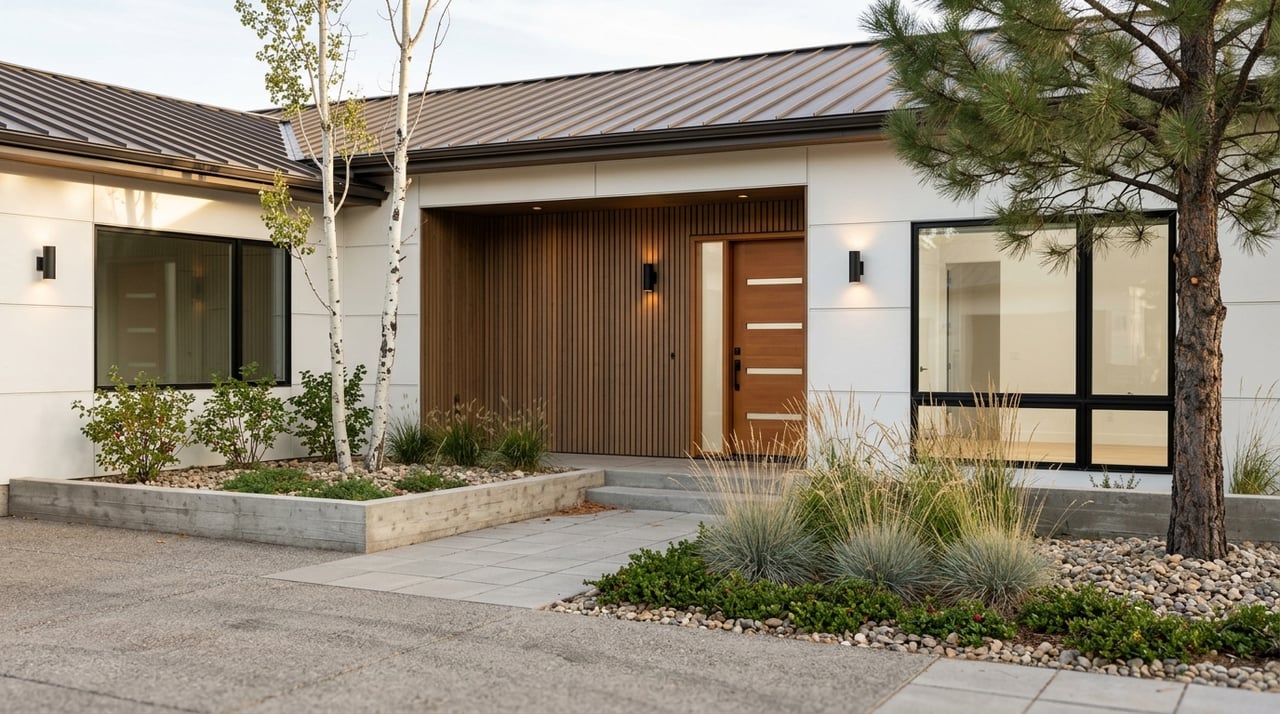
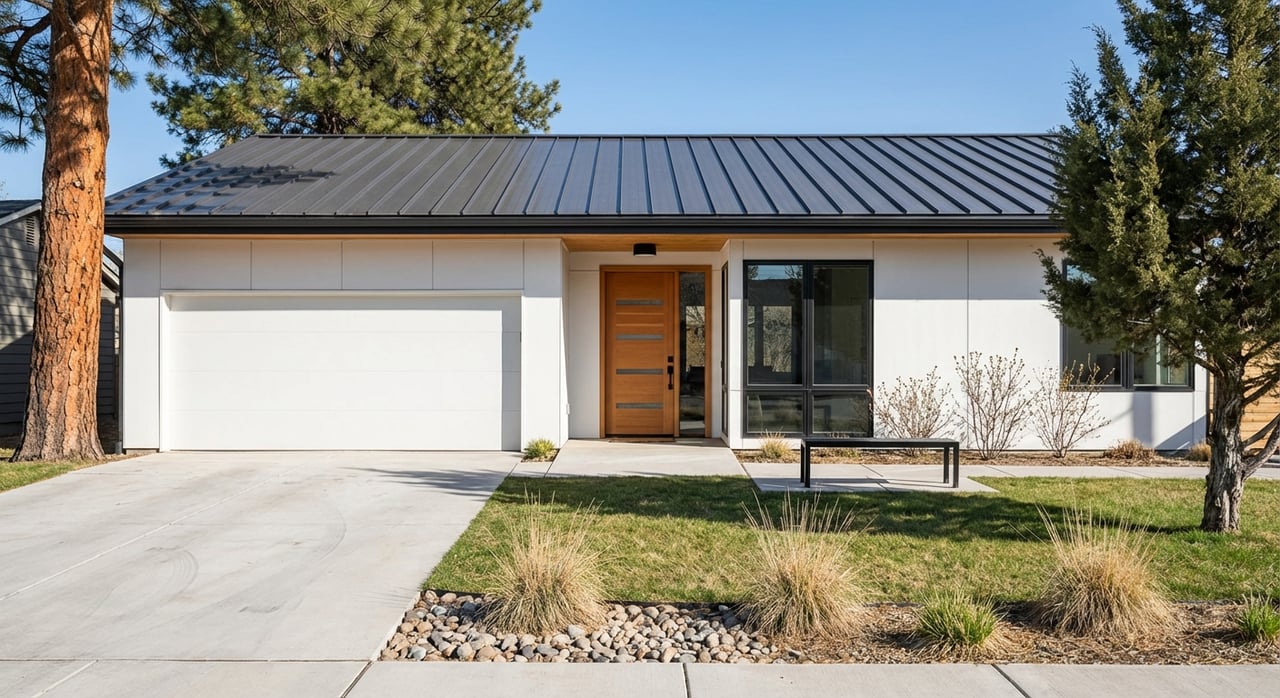
Common housing types include ranch-style homes, bungalows, townhomes, and newer subdivision builds. Historically, Rapid City has been more affordable than many larger metros, though prices have risen in recent years. Inventory can tighten in hot markets, so it’s smart to plan financing early and set alerts for new listings. If you’re exploring rental options, availability can shift with the university calendar and seasonal demand.
Most daily needs are within a short drive. You’ll find big-box retail along I-90 and other major arterials, plus local shops downtown. The dining scene is growing, with breweries, cafes, and restaurants spread across downtown and shopping districts. For seasonal festivals, farmers’ markets, and downtown happenings, browse Visit Rapid City for current calendars.
Rapid City Area Schools (RCAS) is the primary public district, with multiple schools across the city. Academic programs and ratings vary by campus, so review public information and tour the schools that interest you. For higher education, the South Dakota School of Mines & Technology and Western Dakota Technical College offer degrees and technical programs that draw students from across the region.
Rapid City is a regional healthcare hub, with many routine and specialty services available locally. The anchor system is Monument Health, which includes Rapid City Hospital and clinic networks. For rare specialties, some residents travel to larger cities, but many needs are handled close to home.
Rapid City is car-centric, and most residents drive for commuting and errands. I-90 connects east–west, while US-16 and US-385 lead you into the Black Hills. The city operates fixed-route buses and paratransit, but coverage is more limited than in big metros. If you fly often, Rapid City Regional Airport offers service to regional hubs, with routes that can vary by season.
One of the biggest perks is how quickly you can get outside. The Black Hills are typically a 20 to 45 minute drive, with trailheads, scenic drives, and lakes ready for hiking, biking, fishing, and boating. Mount Rushmore, Custer State Park, Sylvan Lake, Spearfish Canyon, the George S. Mickelson Trail, and Badlands National Park are all day-trip options. Summers and fall weekends are especially popular, so plan for busier trailheads during peak months.
You’ll feel four true seasons: warm to hot summers with low humidity, colorful springs and falls, and cold winters with measurable snow. Chinook winds can bring fast temperature swings and brief thaws in winter. Thunderstorms and hail are possible in warm months, and strong winds can occur. For seasonal patterns and forecasts, the National Weather Service is a reliable resource.
Key local sectors include healthcare, education, tourism and hospitality, retail, government, and services tied to Ellsworth Air Force Base. Many people work in roles that support the broader region’s medical, legal, and trade needs. South Dakota does not have a state personal income tax, which some relocators factor into their cost comparisons. For current labor trends and job data, check the South Dakota Department of Labor & Regulation.
Start with your daily map. Where will you work, grocery shop, and pick up essentials? Then add your weekend routine, like trailheads, gyms, or downtown events. Visit potential neighborhoods at different times, look at parking and sidewalks, and note driving times during both winter and summer. Review public data sources for schools and crime statistics, and talk with locals to understand how each area functions across seasons.
Tourism is year-round, but summer is busiest. The Sturgis Motorcycle Rally in early August brings significant traffic and increased demand for services across the region. If you value quieter trail days or restaurant reservations, you may plan around peak weeks. Check Visit Rapid City for key event dates and citywide festivities.
If Rapid City sounds like a fit, you don’t have to figure it out alone. I can help you compare neighborhoods, set up curated searches, and map out commute and lifestyle tradeoffs before you buy. When you are ready, reach out to Cheyenne McGriff for local guidance and a smooth, well-organized plan.

Get inspired with Cheyenne Summer's favorite podcasts!
Get assistance in determining current property value, crafting a competitive offer, writing and negotiating a contract, and much more. Contact Cheyenne today to discuss all your real estate needs!