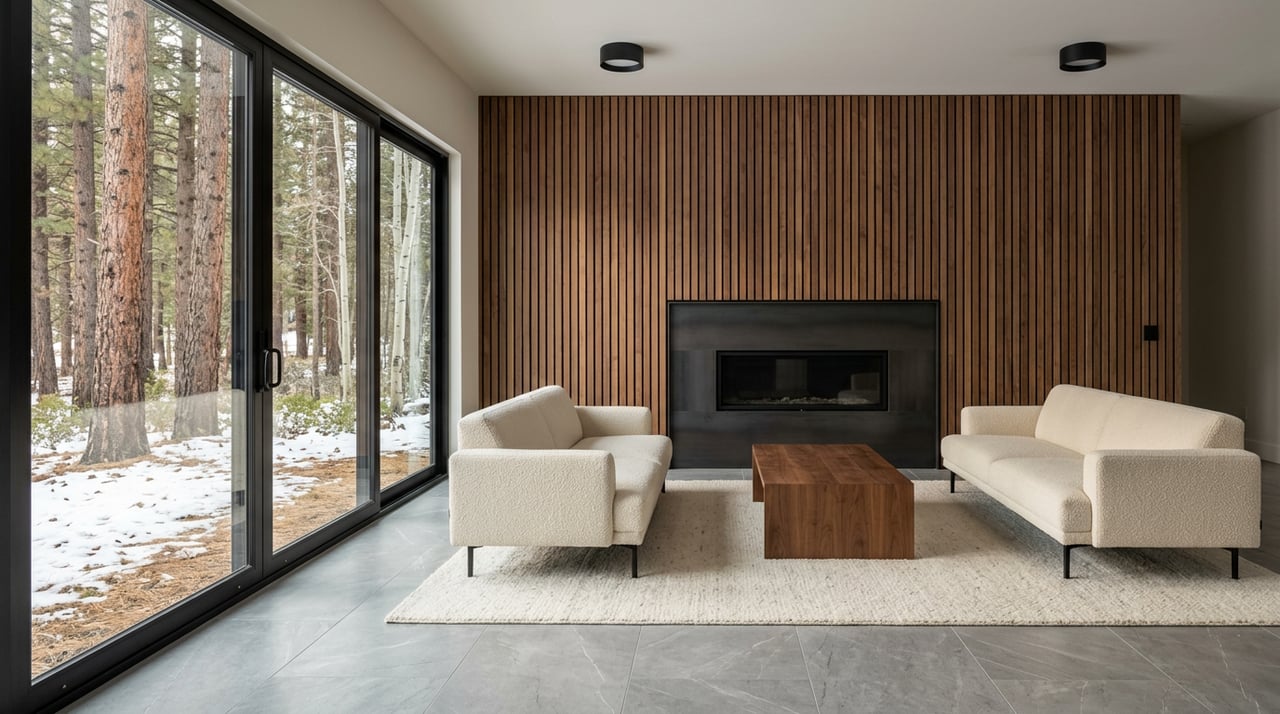
Owning A Second Home Or Getaway Property In Sturgis
Dreaming about a Black Hills base where you can unwind, host family, and maybe earn a little income during the Sturgis Motorcycle Rally? You are not alone. Buying a second home in Sturgis can be a rewarding move, but the best outcomes come when you plan for seasonality, local taxes, and everyday logistics before you buy. In this guide, I’ll walk you through what to expect, what to verify, and how to set yourself up for a smooth purchase and smart ownership. Let’s dive in.
Sturgis is a year-round community with one defining peak: the 10-day Sturgis Motorcycle Rally each August. During that window, visitor numbers surge and short-term lodging demand can approach full capacity in town and nearby areas. South Dakota’s official Rally guidance underscores just how intense this period is.
Outside Rally dates, you will see a more typical mountain-town pattern. Summer and early fall bring steady tourism tied to hiking, state parks, and regional attractions, with quieter shoulder and winter months. If you want personal use most of the year with targeted rental income during peak periods, Sturgis fits well.
You will see a mix of in-town single-family homes, cabins and modern “cabins” on rural acreage, and a handful of condo or lot developments. Many buyers look for properties already set up as vacation rentals or furnished second homes. Pricing can vary widely by neighborhood, acreage, and finishes.
Aggregator indexes often disagree on “typical” values in smaller markets, and month-to-month medians can swing based on a few sales. For an offer strategy, lean on fresh MLS comps for the specific neighborhood and property type you want.
The Rally is the revenue driver. Nightly rates and occupancy tend to spike sharply for that short period in August. That single window can contribute a meaningful share of your annual gross income if your property is well-located and prepared for high turnover.
Summer brings the next best stretch for bookings. As a proxy for regional performance, the Rapid City short-term rental overview shows average occupancies in the mid-to-high 60 percent range with average daily rates in the low hundreds. Your actual results will depend on size, finishes, parking, and listing quality.
Short stays in South Dakota are subject to state sales and use tax, and a separate 1.5% tourism tax on qualifying lodging. Both are administered by the South Dakota Department of Revenue. You can review the details on the state’s sales and use tax page.
If the property is inside Sturgis city limits, the city adds a 3% municipal lodging or gross receipts tax. The state’s Rally guidance notes this city tax in addition to the state rate and tourism tax. Always confirm current rates and whether the parcel is inside city limits before you list.
If you rent even occasionally, plan to register with the South Dakota Department of Revenue to collect and remit the required taxes. Some booking platforms may remit in certain jurisdictions, but it is your responsibility to confirm how taxes are handled on your account and keep your registration records. The DOR maintains Rally-season instructions and temporary-license procedures on its Rally page.
County-wide, Meade County’s ordinance list shows building, wastewater, floodplain, and subdivision rules. It does not display a county-wide short-term rental license. Municipal rules and HOA covenants can still limit use, especially for parking and noise. Check the county’s ordinances page, and verify with the City of Sturgis if your parcel is in town.
How you plan to use the property impacts your loan terms. A true second home is typically a one-unit dwelling you will occupy part of the year, that is suitable for year-round use, without a rental management agreement. Investment properties follow different underwriting rules.
Expect higher down payment and reserve requirements for a second home compared to a primary residence, and different pricing and qualification if the lender treats it as an investment. Be open with your loan officer about intended use. For guidance on correct occupancy classification, review the Consumer Financial Protection Bureau’s official interpretation.
Run the FEMA Flood Insurance Rate Map (FIRM) for any property you consider. Lenders require flood insurance for high-risk zones, and coverage can still be a wise choice outside mapped floodplains. The City of Sturgis links to maps and guidance on its FEMA flood map and insurance page.
Cabins and rural properties in the Black Hills sit in areas with a documented wildfire history. Plan for defensible-space work, vegetation management, and checking with your insurer on availability and pricing. For broader context, see federal resources on wildfire history in the Black Hills.
Outside town, many parcels rely on wells and septic systems. Confirm hookups, request recent well tests or septic inspections, and understand Meade County standards via the county’s ordinances. Budget for winter maintenance like driveway plowing, freeze protection, and periodic checks if you will be away for long stretches.
Sturgis sits about 25 to 40 minutes from Rapid City’s services and Rapid City Regional Airport (RAP), which is the common airport for owners and guests. Use this in your planning and listing details. For a reference, see the drive-time estimate between Rapid City and Sturgis.
Many second-home owners hire local vacation-rental managers for guest communication, cleaning, on-call maintenance, and tax remittance. Rally weeks bring heavier turnover, parking oversight, and noise management. If you self-manage, prepare clear house rules, an on-call plan, and a cleaning schedule that can flex during peak demand. For compliance reminders during Rally season, bookmark the DOR’s Rally guidance.
Neighborhood relations matter. Before you buy, scan HOA covenants and local parking and noise standards, and build simple mitigation steps into your listing and welcome book.
Sturgis is unique for the Rally’s short, high-demand surge. That dynamic can create a different income profile than towns with steadier year-round tourism like Deadwood or Keystone. If you want peak-driven upside with a quieter off-season, Sturgis can be a strong fit. You can review Rally-specific context on the state’s Rally page.
Use this quick list before you write an offer:
If Sturgis feels like the right fit, I would love to help you compare neighborhoods, run true comps, and map out a smart ownership plan that fits your goals. From tax and permitting checklists to local contractor referrals, I make the process clear and efficient so you can enjoy your getaway when you arrive. Let’s find a second home you will be proud to own. Connect with me at Cheyenne McGriff.
Get inspired with Cheyenne Summer's favorite podcasts!
Your guide to buying and selling real estate with confidence.
Get assistance in determining current property value, crafting a competitive offer, writing and negotiating a contract, and much more. Contact Cheyenne today to discuss all your real estate needs!