Rapid City Small Multifamily Investing Guide
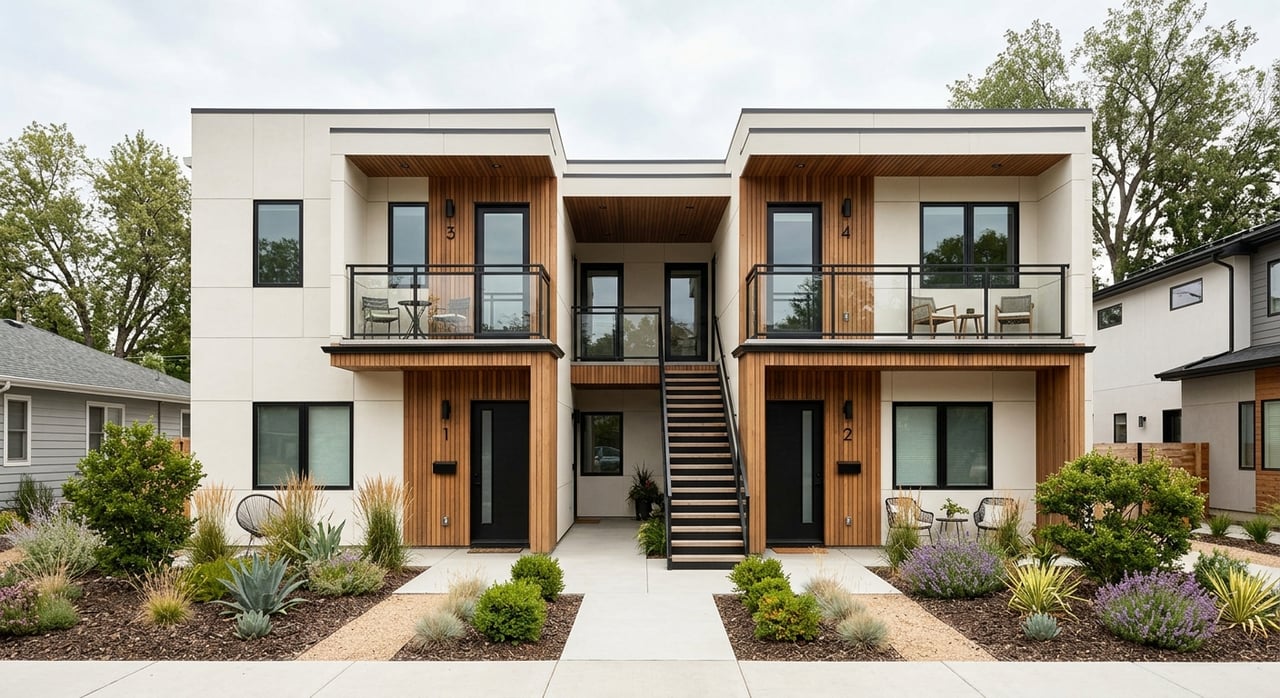
Wondering if a duplex, triplex, or fourplex in Rapid City is still a smart buy? You are not alone. Many local and out-of-area investors like the idea of small multi-family because it can spread risk across multiple units, but the numbers only work when you understand Rapid City’s local demand, older housing stock, and city rules. This guide will walk you through what matters most so you can evaluate opportunities with more confidence. Let’s dive in.
Rapid City has been growing, and that matters when you are looking at rental demand. The U.S. Census Bureau estimates the city’s 2024 population at 79,894, which is up 6.9% from April 1, 2020. Growth does not guarantee a great deal, but it does support the case for ongoing housing demand.
Income and rent benchmarks also help explain why small multi-family stays on investors’ radar. The Census profile shows a 2020 to 2024 median household income of $70,870 and a median gross rent of $1,109. For you as an investor, that points to a market where practical, well-kept rentals can continue to attract tenants.
Rapid City’s housing mix is another reason this property type matters. The city’s 2025 comprehensive plan describes about 38,500 housing units, with roughly 60% single-family attached or detached and 40% apartments and medium-density housing such as twin homes, duplexes, triplexes, and townhomes. That means small multi-family is not a fringe product here. It is part of the city’s broader housing picture.
New construction has helped, but the market is still tight enough that careful underwriting matters. According to the city’s comprehensive plan, nearly 3,400 multifamily units and 965 single-family units were built between 2020 and 2023. That improved vacancy and occupancy, but it did not erase the larger need for housing.
A local housing snapshot from the John T. Vucurevich Foundation adds important context. It reported that 38% of Rapid City households are renters, and 45% of renters are housing-cost burdened. That tells you affordability is still a real issue in the local rental market.
The same report noted an average monthly rent of $1,199 and a rental vacancy rate of 6.2% in May 2023. More affordable units for the median wage had an even tighter 4% vacancy rate. In plain terms, lower-cost rentals appear to face stronger demand pressure than the market overall.
If you are shopping for small multi-family in Rapid City, you will likely come across older buildings. The Vucurevich Foundation snapshot says the median year built for housing is 1978, and 52% of the housing stock is more than 40 years old. Older properties can offer opportunity, but they often come with bigger repair and capital expense questions.
That does not mean you should avoid them. It means you should dig deeper. Roofs, plumbing, electrical systems, heating systems, windows, parking layout, and deferred maintenance can all change your real return.
For many buyers, the value is in a property that has already had major systems updated and has a realistic rent roll in place. A lower purchase price can look attractive at first, but it may not stay attractive if the building needs significant work right after closing. In this market, clean numbers and a clear repair plan matter.
When you underwrite a deal, broad market benchmarks can be helpful, but they are not a substitute for actual unit performance. HUD’s FY2025 Rapid City HUD Metro FMR Area rent schedule lists fair market rents of $856 for a one-bedroom, $1,119 for a two-bedroom, $1,490 for a three-bedroom, and $1,777 for a four-bedroom unit. These numbers can give you a frame of reference.
Still, fair market rent is not the same as current asking rent or signed lease rent. A specific property’s condition, layout, parking, updates, and location within Rapid City can all affect what a tenant is willing to pay. That is why your review should start with the actual rent roll and current leases, not just a market chart.
A smart approach is to stay conservative. Build in modest vacancy, realistic turnover costs, and meaningful reserves for repairs and capital expenses. In a market with tight supply and older stock, it is easy to overestimate rent and underestimate maintenance.
In Rapid City, zoning is not just a technical detail. It can directly affect whether a property functions well as a rental and whether future improvements are realistic. The city’s zoning code includes low-density, medium-density, and high-density residential districts, and the rules can differ depending on the type of building.
In the medium-density district, single-family and duplex dwellings follow the same setback rules as low-density districts. Multifamily structures with three or more units must meet a 25-foot front setback, an 8-foot side setback for a one-story building, and a 15-foot side setback for a building that is two stories or taller. If you are comparing a duplex to a fourplex, those details matter.
The city’s comprehensive plan also emphasizes infill, mixed housing options, and higher-density growth near existing roads and utilities. For you, that means each property should be evaluated on its own site conditions, surrounding development pattern, and access. Small multi-family is not a one-size-fits-all investment category.
Parking can make or break a small multi-family property in Rapid City. The city requires a minimum of 1.5 off-street parking spaces per multifamily dwelling unit and 2.0 spaces per single-family, duplex, or townhouse unit. That means lot size and layout are more important than many first-time investors realize.
A property might look good on paper and still have practical problems if parking is tight, access is awkward, or snow-season use becomes difficult. Alley access, driveway width, and the way vehicles move through the site can all affect day-to-day functionality. These issues may also influence future buyer appeal when it is time to sell.
If you are looking at townhouse-style infill, there is another local rule to know. In Rapid City’s MDR and HDR districts, there may be no more than 12 attached dwelling units on a townhouse development lot. That is separate from duplex and fourplex questions, but it is still relevant if you are considering a small-density project.
Before you buy, make sure your operating plan lines up with South Dakota law. Residential security deposits are capped at one month’s rent unless a larger amount is mutually agreed to because special conditions pose a danger to the premises. That rule can affect how you plan for risk, especially in older buildings.
The landlord must return the deposit or provide a written withholding statement within two weeks after termination and receipt of forwarding information. If requested, an itemized accounting must be provided within 45 days after termination. Good recordkeeping is not optional when you own rentals.
State law also requires residential lessors to keep premises and common areas in reasonable repair and fit for human habitation, including electrical, plumbing, and heating systems. For landlord entry, South Dakota presumes 24 hours’ written notice is reasonable unless the lease sets a different method or timing. If you are new to landlording, these rules should be part of your planning from day one.
Property taxes are another area where local knowledge helps. Pennington County says property taxes are due January 1, with the first half delinquent May 1 and the second half delinquent November 1. Taxes are paid one year in arrears, which makes prorations and reserve planning important during your purchase.
The county’s equalization office forms the tax base for Rapid City and other local taxing districts. If a property has been reassessed or if your purchase price is well above a prior valuation, you may want to review the likely tax impact early. That is especially important when you are analyzing cash flow.
You should also verify permit history, inspection issues, and land-use questions before closing. The city directs permit, inspection, and land-use questions to Building Services and Planning. A realistic scope of work is much easier to manage when you know what was done, what was permitted, and what may still need attention.
In my experience, the best small multi-family opportunities in Rapid City are not always the ones with the flashiest projected returns. They are the ones where the rent roll makes sense, the parking works, the zoning fits, and the repair plan is honest. In a market with steady demand and older housing stock, execution matters.
You want a property that matches your goals and your tolerance for hands-on management. Some buyers want a more stable asset with fewer immediate upgrades. Others are comfortable taking on a building with deferred maintenance if the numbers leave enough room for repairs and reserves.
Either way, your edge comes from buying with clear eyes. If you would like help sorting through fourplexes, duplexes, or other rental opportunities in Rapid City, Cheyenne McGriff can help you evaluate the local details that matter most.
Get assistance in determining current property value, crafting a competitive offer, writing and negotiating a contract, and much more. Contact Cheyenne today to discuss all your real estate needs!